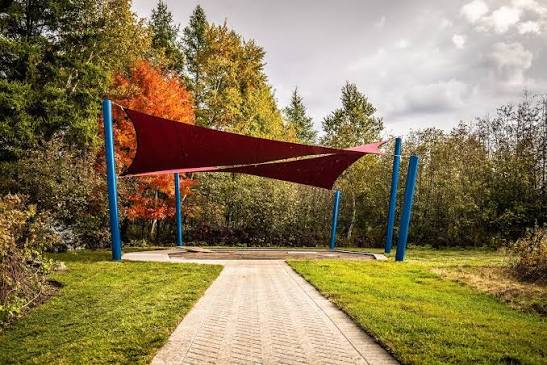
Installing a shade structure in the UAE is a practical way to protect vehicles, create comfortable outdoor spaces, and provide shade for commercial properties. Whether you need a car parking shade for a villa, a tensile shade for a garden, or a large aluminium structure for a warehouse, the total installation cost depends on several factors.
There is no single price for every shade installation. The final amount depends on the size of the area, materials, design, foundation requirements, site conditions, and installation work. Understanding these factors can help property owners and businesses plan their budgets and compare quotations more accurately.
1. Size of the Shade Structure
The size of the structure is one of the main factors affecting installation costs. A small shade covering one vehicle generally requires fewer materials and less labour than a structure covering several parking spaces.
Larger projects may require additional support columns, stronger frames, more roofing material, and extra installation time. However, a large project may have a lower cost per square metre because some transportation, equipment, and setup expenses can be shared across the installation.
Before requesting a quotation, measure the area that needs coverage. Consider the number of vehicles, the size of the outdoor space, or the amount of equipment that must remain protected.
2. Type and Quality of Materials
The materials used for the frame and roof have a direct effect on the overall cost. Different materials offer different levels of durability, appearance, weather resistance, and maintenance requirements.
Common options include:
- HDPE fabric: A popular choice for car parking shades because it provides sun and UV protection while allowing air to pass through.
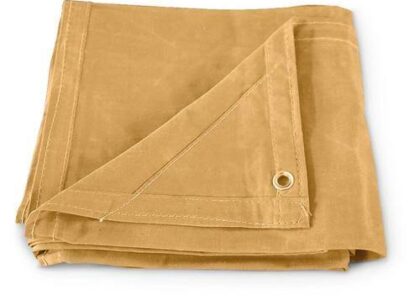
- PVC-coated fabric: Suitable for projects that require a more solid covering and, depending on the specification, waterproof protection.
- Aluminium: Used in modern shade structures and pergolas. It is lightweight and resistant to corrosion.
- Steel: Provides structural strength and is widely used for residential, commercial, and industrial shade installations.
- Polycarbonate panels: Offer a rigid roofing option and are available in different finishes and light-transmission levels.
Premium materials may increase the initial installation cost, but their suitability for the location and expected service life should also be considered. The exact price difference depends on the material grade, thickness, finish, and project specifications.
3. Design and Structure Type
The design of a shade structure affects the materials, fabrication work, and installation process.
Simple designs with standard dimensions are generally easier to manufacture and install. Custom structures with unusual shapes, large unsupported spans, or decorative features may require more detailed planning and specialist fabrication.
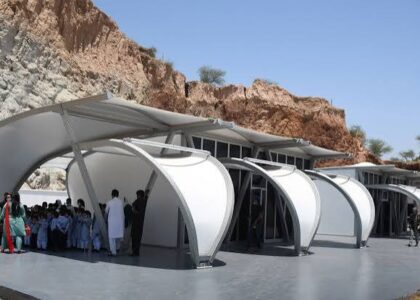
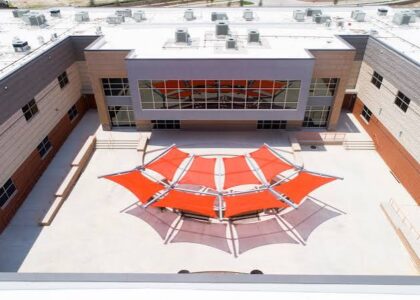
Common shade designs include pyramid shades, cantilever structures, tensile fabric shades, pergolas, and aluminium roof systems.
For example, a standard car parking shade may have a relatively straightforward frame, while a large tensile structure may require carefully calculated fabric tension, specialised connections, and additional structural engineering.
The more complex the design, the more important it is to assess fabrication and installation requirements before finalising the budget.
4. Foundation and Ground Conditions
A shade structure needs a stable foundation to remain secure during changing weather conditions. The type of ground at the installation site can affect the amount of preparation and construction work required.
Installing a shade on suitable ground may be more straightforward than installing one on an existing paved driveway or reinforced concrete surface.
Additional work may be necessary when the project involves:
- Excavating and preparing foundation areas.
- Cutting and restoring existing paving.
- Installing concrete footings.
- Working around underground utility lines.
- Addressing difficult soil conditions.
- Providing engineered anchoring for the structure.
Foundation requirements should be based on the structure’s design, site conditions, and applicable safety standards. Cutting corners on foundation work can compromise stability and create safety risks.
5. Site Accessibility and Installation Location
The accessibility of the installation site can also affect labour and equipment costs.
A site with an open entrance and enough working space may allow workers to transport materials and assemble the structure efficiently. In contrast, a narrow villa driveway, restricted commercial site, or crowded parking area may require additional handling and careful planning.
Some installations may need lifting equipment, specialised tools, or temporary restrictions on vehicle access. These requirements can increase the time and resources needed to complete the project.
The distance between the supplier’s workshop and the installation site may also influence transportation costs, particularly for projects in remote locations.
6. Labour and Fabrication Requirements
Shade installation involves more than placing a roof over an area. Depending on the project, the work may include measurements, design preparation, cutting, welding, surface finishing, foundation construction, frame assembly, and fabric installation.
Standard installations usually involve less fabrication work than customised structures. Larger projects may also require additional workers, specialist installers, and equipment.
The final labour cost depends on the complexity of the structure, the installation schedule, site accessibility, and the skills required.
When comparing quotations, check whether fabrication, transportation, foundation work, installation, and finishing are all included. Two quotations may appear different simply because they cover different parts of the project.
7. Weather Conditions and Structural Requirements
The UAE experiences intense sunlight, high summer temperatures, dust, and occasional strong winds. These environmental conditions should be considered when selecting materials and designing a shade structure.
A structure exposed to stronger winds may need suitable frame dimensions, connections, anchoring, and engineering calculations. Coastal locations may also require materials and protective finishes selected to manage corrosion.
These requirements can affect the cost of the frame, foundation, and installation work.
The objective should be to choose a structure that suits the location and intended use rather than selecting the cheapest available design without considering safety and durability.
8. Customisation and Additional Features
Custom features can increase the total installation cost. The effect depends on the type and number of additions requested.
Examples include:
- Custom colours and decorative finishes.
- Printed logos or branded fabric.
- Integrated LED lighting.
- Drainage gutters and rainwater management.
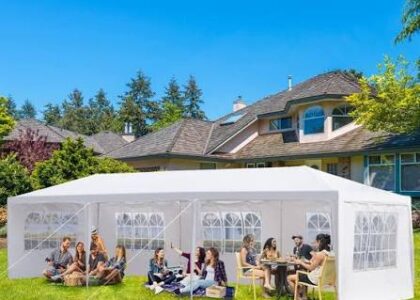
- Side panels for additional privacy or protection.
- Motorised or adjustable roofing systems.
- Special dimensions or increased clearance height.
Not every project needs these features. The appropriate specification depends on whether the shade is intended for a residential driveway, garden, restaurant, warehouse, school, or commercial parking area.
9. Permits and Approvals in the UAE
Permit and approval requirements can affect both project costs and installation timelines. Requirements vary according to the emirate, property type, location, and proposed structure.
For example, Dubai’s Roads and Transport Authority publishes technical requirements for certain external parking shades, including requirements relating to reserved parking spaces, clear pedestrian movement, approved designs, height, foundations, and potential interference with utilities
Additional approvals may apply to specific properties or communities. Confirm the requirements with the relevant authority or property management before installation begins.
Depending on the project, the budget may need to account for drawings, technical documentation, application fees, and approval-related work. These expenses should be checked separately because they may not be included in the installation quotation.
10. Project Size and Installation Timeline
The number of structures being installed can influence the overall cost. Installing several shades at one site may allow equipment, transportation, and labour to be used more efficiently.
A project with a tight deadline may require additional workers or adjustments to the installation schedule. However, the effect depends on the contractor’s availability and the complexity of the work.
Large commercial projects can also require more coordination between site managers, installers, engineers, and other contractors. This planning should be considered when estimating the project budget and completion time.
Frequently Asked Questions
What is the biggest factor affecting shade installation costs in the UAE?
The biggest factors are usually the size of the structure, material specifications, design complexity, and foundation requirements. Their relative importance varies from project to project.
Are aluminium shade structures more expensive than fabric shades?
Aluminium structures can cost more than basic fabric shade systems, particularly when they include custom designs, adjustable roofs, or premium finishes. The final comparison depends on the specifications of both options.
Does the installation location affect the price?
Yes. Transportation distance, site accessibility, ground conditions, local approval requirements, and the equipment needed can all influence the total cost.
Do permits increase shade installation costs?
They may. Depending on the project and location, application fees, technical drawings, documentation, and compliance work may add to the budget.
How can I understand a shade installation quotation?
Check the dimensions, frame material, roofing material, foundation work, fabrication, transportation, labour, additional features, warranty, and applicable approval costs. Confirm which items are included and which are charged separately.
Conclusion
Shade installation costs in the UAE depend on more than the size of the covered area. Material quality, structure design, foundation work, site accessibility, labour, weather-related engineering requirements, custom features, and permits can all influence the final price.
Understanding these factors makes it easier to compare quotations and select a shade structure suited to your property and requirements. A detailed assessment of the site and a clearly itemised quotation provide a more reliable budget than a general price estimate.