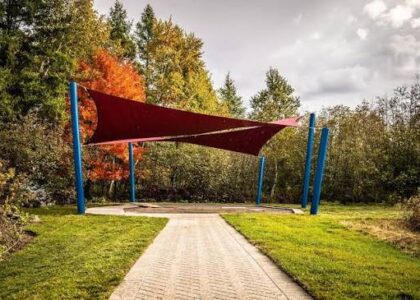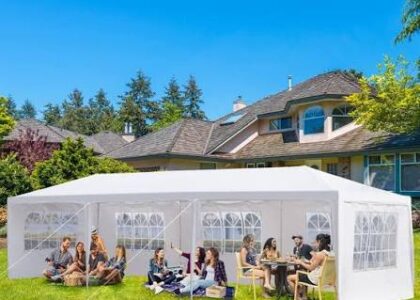
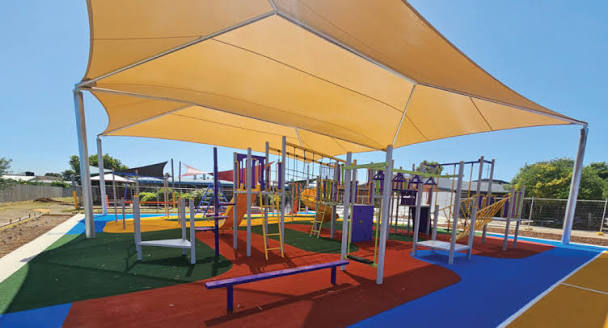
School playground shades are essential for creating comfortable outdoor spaces where children can play, exercise, and participate in school activities. In hot climates such as the UAE, suitable shade structures help reduce direct sun exposure and make playgrounds more usable throughout the school day.
Choosing the right material is important because school playground shades must withstand outdoor weather, provide suitable sun protection, and remain safe for children. Common materials include HDPE shade fabric, PVC-coated fabric, tensile membranes, galvanised steel, and aluminium. The best choice depends on the playground design, climate, maintenance requirements, and available budget.
1. HDPE Shade Fabric
High-density polyethylene (HDPE) shade fabric is a popular option for school playgrounds because it provides shade while allowing air to circulate.
The material is commonly used in outdoor shade structures where reducing direct sunlight and heat exposure is a priority.
Benefits of HDPE shade fabric include:
- Provides shade and can offer UV protection when appropriately rated.
- Allows airflow through the fabric.
- Is relatively lightweight.
- Comes in different colours and shade ratings.
- Can be used for playgrounds, outdoor seating areas, and school courtyards.
HDPE fabric is particularly useful in hot climates because its breathable structure allows hot air to move through the covering. However, standard HDPE shade fabric is generally not waterproof, so it may not be suitable where rain protection is required.
Schools should select fabric with documented UV-protection performance and ensure that it is suitable for the expected outdoor conditions.
2. PVC-Coated Fabric
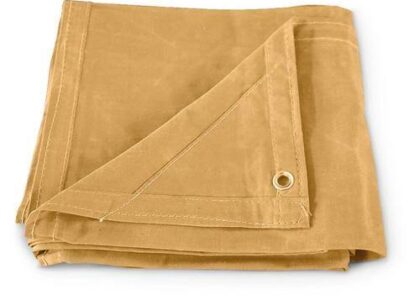
PVC-coated fabric is another option for school playground shades. It is often used in tensioned membrane structures and canopies that require a durable, weather-resistant covering.
Depending on its specifications and construction, PVC-coated fabric can provide protection against sunlight and rain.
Advantages of PVC-coated fabric include:
- Available in waterproof versions.
- Suitable for different canopy shapes and sizes.
- Can provide a smooth, easy-to-clean surface.
- Available in various colours and finishes.
- Can be used for larger playground covering systems.
One consideration is heat management. An enclosed or poorly ventilated covered area may become uncomfortable in hot weather, so the overall design should allow suitable airflow.
Schools should also check the fabric’s UV resistance, fire-performance documentation, cleaning requirements, and suitability for permanent outdoor installation.
3. Tensile Membrane Materials
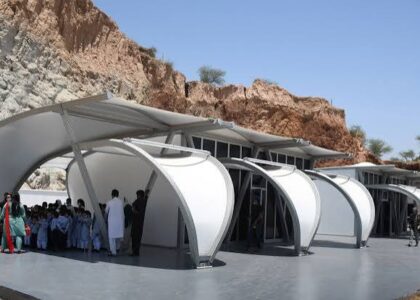
Tensile membrane structures use specially engineered fabric stretched across a supporting framework. Common membrane materials include PVC-coated polyester and certain specialised architectural fabrics.
These structures are often selected for school playgrounds because they can cover large areas and create attractive shapes.
Key benefits include:
- Flexible design options for different playground layouts.
- Potential to cover large play and activity zones.
- Modern architectural appearance.
- Availability of materials designed for outdoor exposure.
- Compatibility with engineered steel or aluminium support systems.
Tensile structures require careful engineering because fabric tension, wind loads, support positions, and foundations all affect performance. Schools should use qualified professionals to ensure the structure is designed for local conditions.
4. Galvanised Steel Frames
Although the covering material provides shade, the supporting frame is equally important. Galvanised steel is widely used for playground shade structures because of its strength and suitability for structural applications.
Galvanisation provides a protective zinc coating that helps reduce corrosion.
Advantages of galvanised steel include:
- High structural strength.
- Suitability for large shade structures.
- Compatibility with various fabric and membrane systems.
- Potential for a long service life with appropriate protection and maintenance.
- Support for different column and beam configurations.
Steel frames must be properly designed, installed, and inspected. Protective coatings, connections, foundations, and exposed components should be checked periodically, particularly in environments where corrosion may be a concern.
5. Aluminium Frames
Aluminium is another material used in playground shade structures. It is relatively lightweight and naturally resistant to corrosion, making it suitable for many outdoor applications.
Benefits of aluminium include:
- Lower weight compared with many steel components of similar size.
- Good corrosion resistance.
- A clean, modern appearance.
- Compatibility with different shade designs.
- Relatively low maintenance requirements when appropriately finished.
However, aluminium is not automatically suitable for every large-span structure. The required strength depends on the design, material grade, member dimensions, and expected loads. Professional structural assessment is necessary before selecting a frame material.
6. Which Material Is Best for School Playgrounds in the UAE?
For many school playgrounds in the UAE, breathable HDPE shade fabric combined with a properly engineered galvanised steel or aluminium frame is a practical option.
The combination can provide sun protection while supporting airflow, which is important in hot weather. The exact choice depends on the size of the playground, expected wind conditions, required coverage, and maintenance budget.
The following comparison can help schools assess the options.
| Material | Main advantage | Important consideration |
|---|---|---|
| HDPE shade fabric | Breathable and suitable for sun protection | Usually does not provide waterproof coverage |
| PVC-coated fabric | Waterproof options and flexible designs | Ventilation and heat management must be considered |
| Tensile membrane | Suitable for large and custom-shaped structures | Requires specialist engineering and installation |
| Galvanised steel frame | Strength and structural versatility | Requires corrosion protection and inspections |
| Aluminium frame | Lightweight and corrosion-resistant | Must be designed for the required structural loads |
The best system may combine more than one material. For example, a school may choose breathable HDPE fabric for the canopy and a galvanised steel frame for structural support.
7. Important Safety Factors When Choosing Playground Shade Materials
School playground shades must be designed for children and their daily activities. Material selection should therefore consider more than appearance and purchase price.
UV Protection
Choose a canopy with documented UV-protection performance. The actual protection depends on the fabric, its shade rating, installation, and coverage.
Wind Resistance
Outdoor shade structures can experience substantial wind forces. The fabric, frame, anchors, and foundations must be designed as one complete system for the site’s conditions.
Fire Performance
Schools should verify that the selected covering meets the applicable fire-safety requirements for the property and intended use.
Child Safety
Support columns and connections should be positioned to reduce collision risks and should not create sharp edges, exposed fasteners, or other foreseeable hazards. The structure should also provide suitable headroom and clear access routes.
Durability and Maintenance
Materials should be suitable for continuous outdoor exposure. Schools should establish an inspection and maintenance schedule for fabric tension, seams, structural connections, corrosion, and foundations.
Drainage and Coverage
If the school requires rain protection, the roof design should manage water runoff safely. Shade placement should also consider the sun’s movement so that important play areas receive appropriate coverage during school hours.
8. How to Choose the Right Material for Your School
Before selecting playground shade materials, school management should assess the playground’s dimensions, daily use, local weather exposure, and available budget.
A professional site assessment can help determine the suitable canopy material, frame type, foundation design, and installation arrangement.
Schools should compare quotations based on material specifications, UV protection, structural design, installation quality, warranty terms, and expected maintenance requirements. Choosing a system based only on the lowest price may overlook important durability and safety considerations.
Conclusion
The best materials for school playground shades depend on the level of sun protection, ventilation, durability, and weather resistance required. HDPE shade fabric is a strong option for breathable sun protection, while PVC-coated fabric and tensile membranes can suit projects that need different coverage or waterproofing features.
Galvanised steel and aluminium are both useful frame materials when selected according to the structural design. For schools in the UAE, a professionally engineered shade system using suitable fabric and a durable supporting frame can create a more comfortable and practical playground.
Frequently Asked Questions
What is the best fabric for school playground shades?
HDPE shade fabric is a popular choice because it provides shade and allows airflow. The fabric should have documented UV-protection performance and be suitable for the local climate.
Are school playground shades waterproof?
Not all playground shades are waterproof. HDPE shade fabric generally allows water to pass through, while suitable PVC-coated membranes and solid roofing systems can provide rain protection.
Is steel or aluminium better for playground shade frames?
Both materials can be suitable. Galvanised steel offers strength and versatility, while aluminium provides lower weight and good corrosion resistance. The final choice depends on the design and structural requirements.
Do playground shades need regular maintenance?
Yes. Regular inspections help identify damaged fabric, loose connections, corrosion, and foundation problems before they affect the structure’s performance.
Can playground shade structures be customised?
Yes. Playground shades can be customised according to the area to be covered, school layout, canopy shape, fabric colour, frame material, and required level of sun or rain protection.